
Discover Balanced Eating for Everyday Life
Educational guidance on forming sustainable nutrition habits through informational consultations with qualified nutritionists
Learn About Consultations
Educational guidance on forming sustainable nutrition habits through informational consultations with qualified nutritionists
Learn About Consultations
Our informational consultations provide educational guidance on how people commonly develop balanced eating patterns in their daily lives. During sessions, nutritionists share general knowledge about food choices, portion awareness, and lifestyle integration.
These consultations are educational in nature and do not include medical advice, treatment plans, or diagnostic assessments. The focus is on general nutrition awareness and everyday habit formation.

Nutritionists approach food awareness from an educational perspective, helping individuals understand how different foods fit into a balanced lifestyle. This includes exploring the role of vegetables, fruits, whole grains, and proteins in everyday meals.
The approach emphasizes learning rather than restriction, focusing on sustainable habits that can be maintained as part of a normal daily routine. Consultations may help maintain balance in food choices and eating patterns.

Balanced eating habits refer to patterns of food consumption that include a variety of nutrients from different food groups. This concept is often considered part of a healthy lifestyle approach to daily nutrition.
These habits typically involve regular meal times, mindful portion sizes, and incorporating diverse foods like vegetables, fruits, proteins, and whole grains. The goal is to develop awareness around food choices that support everyday wellness.
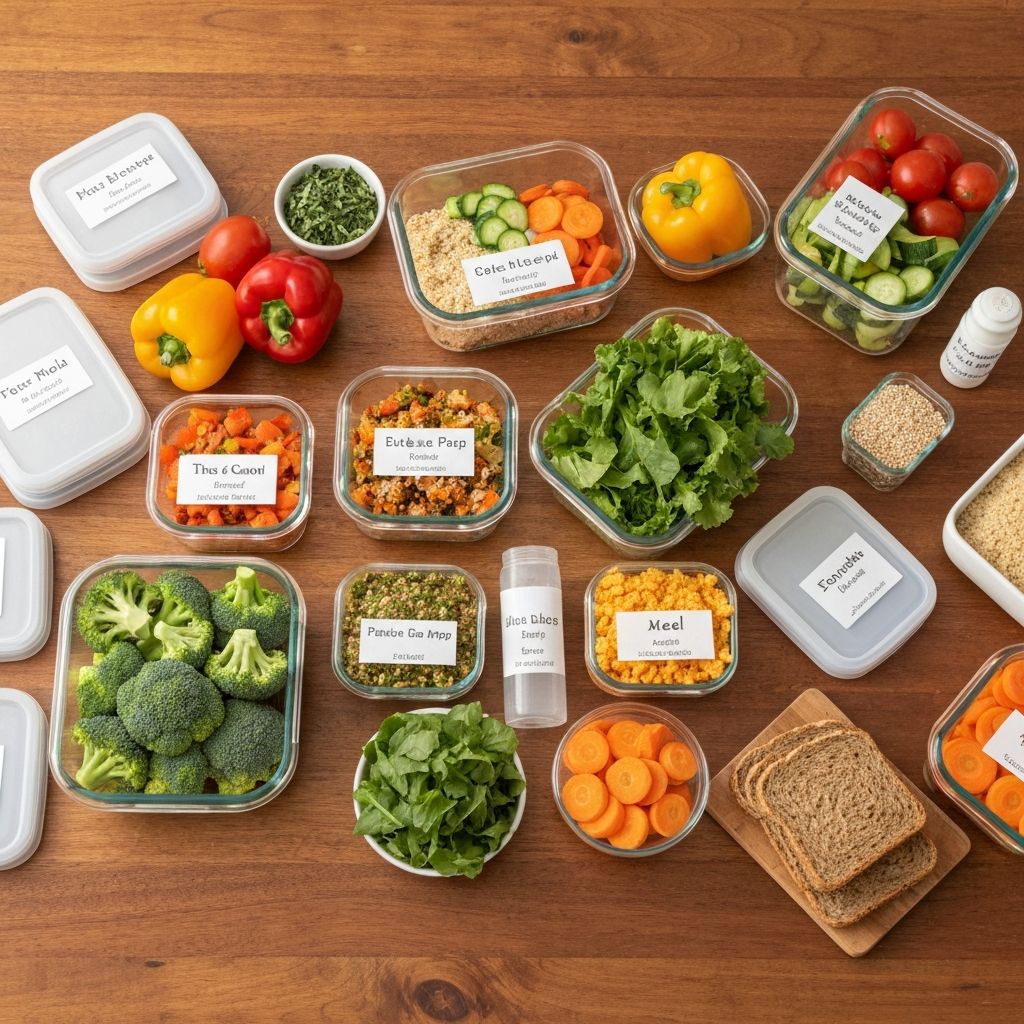
General guidance on organizing meals throughout the day, including breakfast, lunch, dinner, and snacks. Learn how to incorporate variety and balance into your everyday eating routine.

Understanding how regular eating patterns fit into daily life. Exploring the role of consistency and timing in developing sustainable nutrition habits.

Practical information about forming habits around food shopping, meal preparation, and mindful eating practices that can be integrated into daily routines.

Regular eating patterns are commonly included in discussions about balanced nutrition. Eating at consistent times may help maintain a sense of routine and structure in daily life.
Mindful eating involves paying attention to food choices, flavors, and portion sizes. This awareness is often considered part of developing a more conscious relationship with food and eating habits.
Developing lasting eating habits is generally understood as a gradual process that involves consistent practice and awareness over time. Rather than dramatic changes, sustainable habits typically form through small, manageable adjustments to daily routines.
New eating patterns are often introduced slowly, allowing time for adjustment and helping individuals find what works naturally in their lifestyle.
Sustainable habits focus on regular practice rather than strict rules, recognizing that flexibility is part of everyday life.
Each person's approach to balanced eating may vary based on preferences, schedule, and lifestyle factors.
Understanding nutrition is an ongoing process that evolves as people learn more about food and their own patterns.
Our consultations provide general lifestyle nutrition guidance tailored to individual interests and daily routines. This approach is educational rather than prescriptive, offering information about nutrition principles without medical advice or treatment recommendations.
Nutritionists share knowledge about commonly understood nutrition concepts, helping individuals develop their own informed approach to daily eating habits. Sessions focus on education and awareness rather than specific outcomes or results.

Individuals looking to learn how to integrate balanced eating into demanding schedules and develop practical meal planning strategies for everyday work life.

Those interested in understanding more about nutrition, food choices, and how eating habits fit into overall daily wellness routines.

People who want to develop more consistent eating patterns and learn about sustainable approaches to food that align with their lifestyle goals.
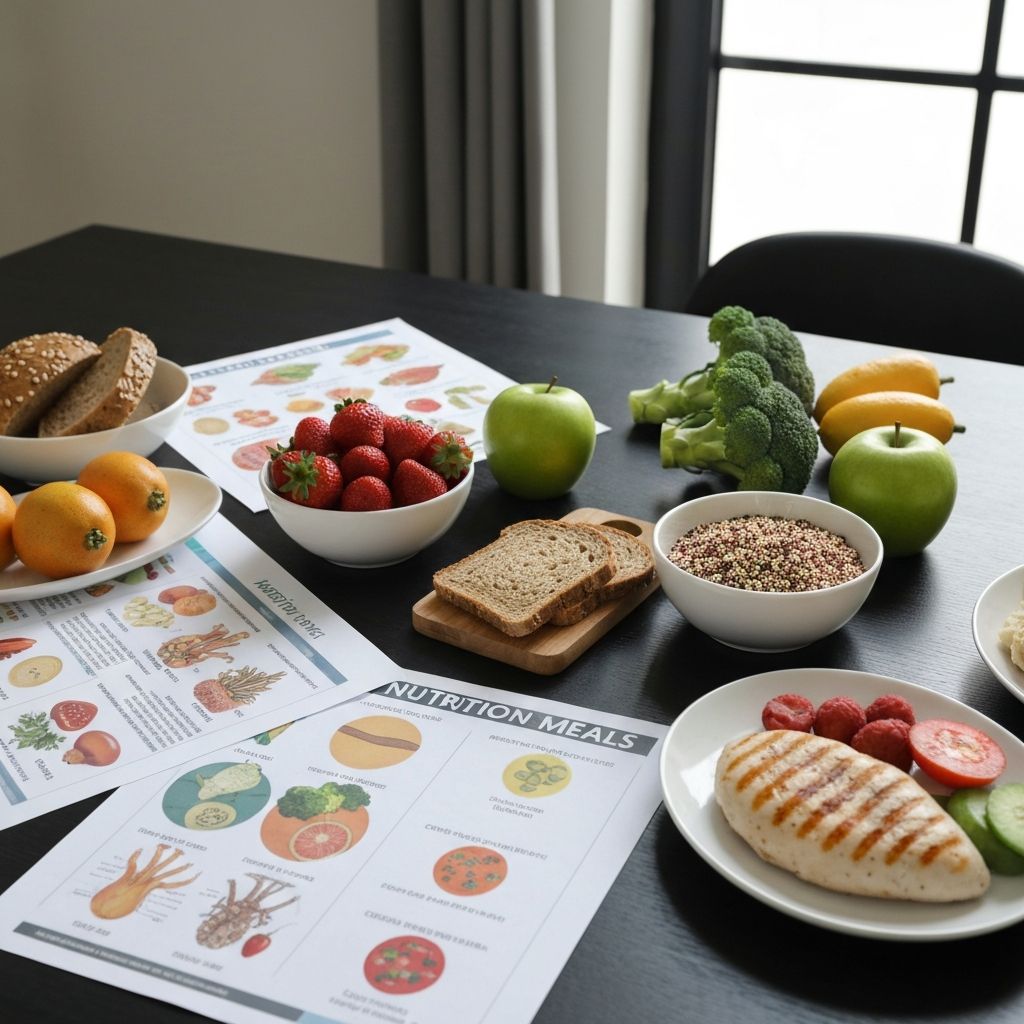
Educational consultations typically include discussions about everyday nutrition topics relevant to your daily life and interests. Nutritionists share general knowledge about food groups, meal composition, and common approaches to balanced eating.
Sessions may cover topics such as reading food labels, understanding portion sizes, planning balanced meals, and exploring how different foods are commonly included in varied diets. The focus remains on education and general lifestyle guidance.
During consultations, nutritionists may discuss general eating patterns and how various foods fit into daily routines. This educational review helps individuals understand common nutrition principles and how they apply to everyday food choices.
The discussion is informational in nature, exploring typical eating habits, meal timing, and food variety without making specific medical assessments or individualized treatment plans.

Practical information about meal organization helps individuals understand how to plan and prepare food within the context of their actual daily schedules and circumstances.
This includes general tips on grocery shopping, meal preparation timing, batch cooking concepts, and strategies commonly used to maintain variety and balance in everyday eating while managing real-life constraints.
First sessions typically last 60 minutes and involve discussing your current eating patterns, lifestyle factors, and what topics you're interested in learning more about regarding nutrition and daily habits.
Subsequent consultations usually run 30-45 minutes and provide opportunities to continue learning about nutrition topics, discuss progress with habit formation, and explore additional areas of interest.
Consultations can be arranged based on your schedule and learning preferences. The frequency and number of sessions vary depending on individual interest in ongoing nutrition education.
Educational Purpose: All consultations are provided for general educational and informational purposes only. The information shared does not constitute medical advice, treatment, diagnosis, or therapy of any kind.
Not Medical Services: Nutritionist consultations are not a substitute for professional medical care, clinical assessment, or treatment from qualified healthcare providers. Individuals with medical conditions or health concerns should consult appropriate medical professionals.
No Guaranteed Outcomes: Information provided is general in nature and results may vary. There are no guarantees, promises, or assurances regarding specific outcomes, changes, or effects from following any information discussed.
Personal Responsibility: Individuals are responsible for their own food choices and lifestyle decisions. Any changes to diet or activity should be made thoughtfully and, when appropriate, in consultation with medical professionals.
For complete details, please review our Health Disclaimer.
"The consultation helped me understand more about balanced eating and how to organize my meals better. I appreciated the educational approach and practical information."
"I learned a lot about nutrition basics and how to incorporate more variety into my daily diet. The information was presented in a clear, accessible way."
"The nutritionist provided helpful general guidance about food awareness and planning meals around my schedule. It was informative and practical."
Consultations provide educational information about nutrition, balanced eating, and how to develop sustainable food habits. Sessions are informational and focus on general lifestyle guidance rather than medical advice or treatment plans.
Our consultations are educational and not designed to address medical conditions, diagnose health issues, or provide treatment. Individuals with medical concerns should consult qualified healthcare professionals for appropriate medical care.
Habit formation varies greatly between individuals and depends on many personal factors. Consultations provide general education about how habits commonly develop, but do not guarantee specific timeframes or results.
Common topics include understanding food groups, meal planning basics, portion awareness, eating schedules, food shopping tips, and general information about incorporating balanced eating into daily life.
Consultations focus on education rather than prescriptive diet plans. The goal is to provide information that helps you make informed choices about your own eating patterns based on your lifestyle and preferences.
The number of sessions depends on your personal interest in ongoing nutrition education. Some people find one or two sessions helpful, while others prefer regular consultations to continue learning over time.
Request an informational consultation to explore everyday nutrition guidance and discover how lifestyle habits fit into your daily routine.
Request Information